

extendable makeup mirror with light
Precision Spirit Level Achieving Accuracy within 0.02 mm/m In various fields of construction, engineering, and carpentry, precision tools are indispensable for achieving high-quality results. Among these tools, the precision spirit level stands out as one of the most essential devices for ensuring horizontal or vertical alignment. With a measurement accuracy of 0.02 mm/m, a precision spirit level is vital in projects where even the slightest deviation can compromise structural integrity and aesthetic value. The Importance of Precision In engineering and construction, precision is not merely a luxury but a necessity. Even a small error can have cascading effects over the course of a project. For example, in the construction of a building, a misaligned cornerstone can lead to a series of miscalculations in subsequent construction phases, causing extensive delays and additional costs. A precision spirit level, calibrated to an accuracy of 0.02 mm/m, helps mitigate such risks by providing reliable measurements, allowing professionals to execute their tasks with confidence. Precision spirit levels are not only crucial in construction but also in various applications, from setting up machinery to installing cabinets. In these cases, achieving exact measurements can enhance performance and durability. For instance, when leveling a large appliance like a refrigerator, precision is critical. If the appliance is off-balance, it may not function properly, leading to inefficiencies or even breakdowns. Understanding the Features A precision spirit level typically comprises a durable, lightweight body made from materials such as aluminum or high-quality plastic. The design often includes one or more vials filled with liquid and an air bubble, which indicates whether the surface is level. The smallest measurement unit—0.02 mm/m—is an impressive feat of engineering, achieved through meticulous calibration and advanced manufacturing techniques. precision spirit level 0.02 mm m Many precision spirit levels come equipped with additional features, such as magnetic strips for easy attachment to metallic surfaces, or LED displays that enhance readability in low-light conditions. Some advanced models also incorporate digital technology, allowing users to take precise measurements and even store data for future reference. Features like these are invaluable for both amateur DIYers and professional tradespeople. Applications Across Industries The applications of a precision spirit level extend far beyond traditional construction. In the realm of manufacturing, for example, precision spirit levels ensure that machinery operates within specifications, reducing the risk of malfunction. In landscaping, these tools assist in creating perfectly graded surfaces for drainage purposes. Moreover, in the realm of fine arts and sculpture, a spirit level allows artists to ensure their installations are not only aesthetically pleasing but also structurally sound. In woodworking, it aids artisans in the precise alignment of joints, guaranteeing the longevity and visual appeal of their work. Conclusion In an ever-evolving industry landscape, where technological advancements continue to set new benchmarks, the precision spirit level remains a cornerstone tool for achieving accuracy. With a measurement capability of 0.02 mm/m, it serves as a testament to the rigorous standards professionals demand. Whether in construction, manufacturing, art, or any other field requiring precision, this tool offers unparalleled reliability and accuracy. For those committed to quality, investing in a high-quality precision spirit level is not only a pragmatic choice but also a step towards ensuring success in every endeavor. In conclusion, the precision spirit level exemplifies the importance of accuracy in professional settings. By combining advanced technology with user-friendly designs, it provides critical support to those tasked with tasks demanding exactness. As industries continue to advance, reliance on such precision tools will only grow, underscoring their vital role in promoting excellence and efficiency.
about
extendable makeup mirror with light
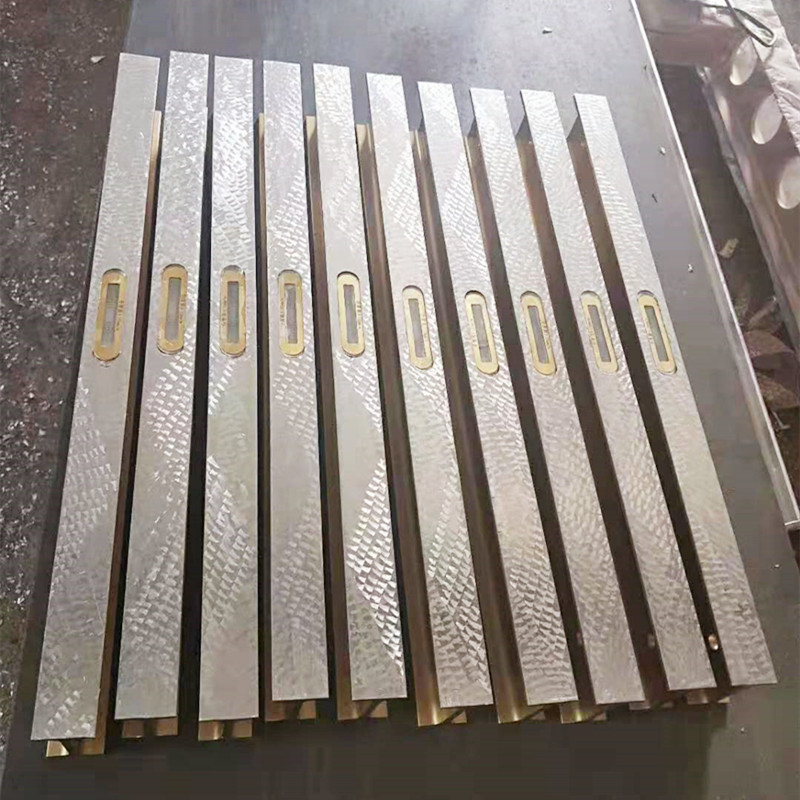
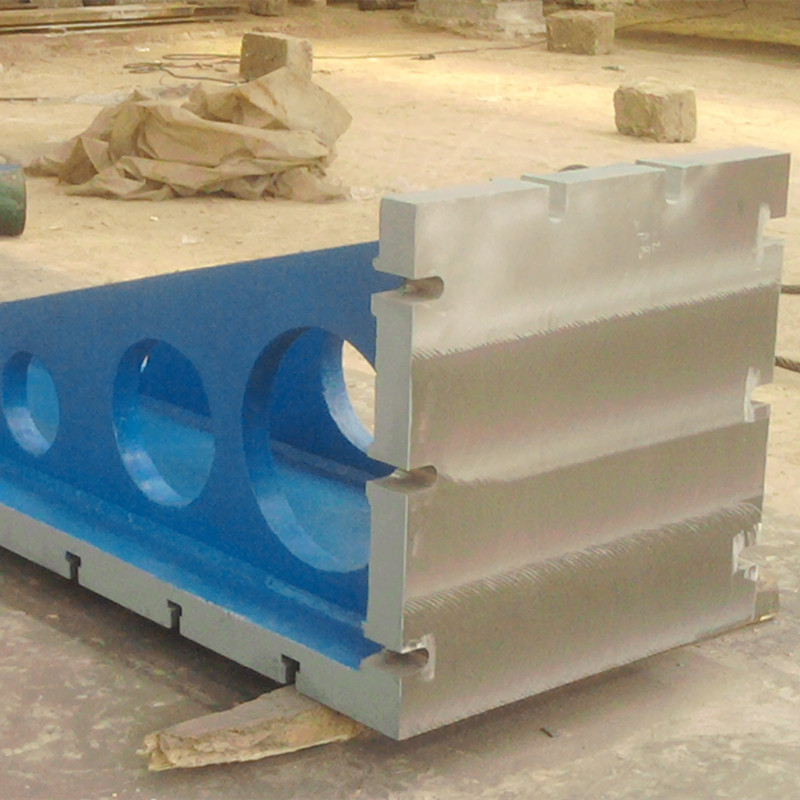
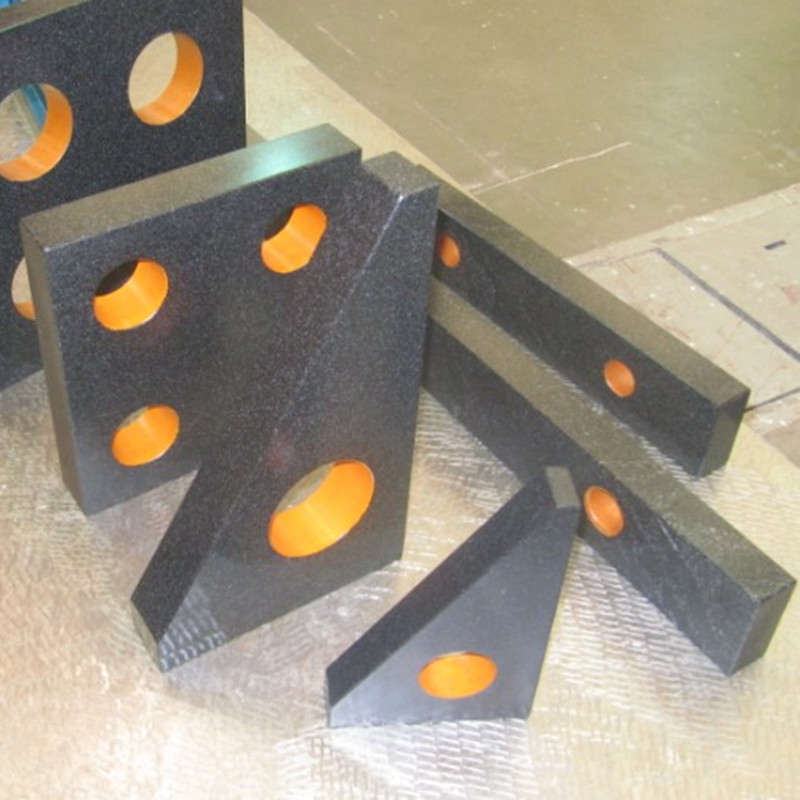
An inspection surface plate is a precision tool used in various industries for accurate measurements and inspections of mechanical components. It is typically made of granite or steel and has a flat surface with a high degree of flatness and parallelism. The surface plate is an essential tool in quality control processes, ensuring that parts are manufactured to the desired specifications. The primary purpose of an inspection surface plate is to provide a reference surface for measurements and inspections. The flatness and parallelism of the surface plate allow for precise measurements to be taken, ensuring that parts are within the specified tolerances. This is crucial for ensuring the quality and functionality of the final product. In addition to providing a reference surface for measurements, the inspection surface plate also serves as a stable and sturdy platform for conducting inspections. It is often used in conjunction with precision measuring instruments such as height gauges, dial indicators, and micrometers to ensure the accuracy of the measurements taken. The surface plate provides a reliable and repeatable surface for performing these measurements, ensuring consistent results. There are several factors to consider when choosing an inspection surface plate, including the material, size, and accuracy requirements. Granite surface plates are preferred for their stability, durability, and resistance to wear and tear. Steel surface plates are another option, known for their high precision and smooth surface finish Steel surface plates are another option, known for their high precision and smooth surface finish Steel surface plates are another option, known for their high precision and smooth surface finish Steel surface plates are another option, known for their high precision and smooth surface finish inspection surface plate . The size of the surface plate should be chosen based on the size of the parts being inspected and the space available in the inspection area. Accuracy requirements will vary depending on the specific measurements being taken, with higher precision plates required for more critical measurements. Proper care and maintenance of an inspection surface plate are essential to ensure its accuracy and longevity. The surface plate should be kept clean and free of any debris that could affect the measurements. Regular calibration and verification checks should be performed to ensure the accuracy of the surface plate. Additionally, the surface plate should be stored in a stable and temperature-controlled environment to prevent warping or distortion. In conclusion, an inspection surface plate is a vital tool in the quality control process for ensuring the accuracy and precision of mechanical components. It provides a stable and reliable reference surface for measurements and inspections, helping to maintain the quality and functionality of the final product. By choosing the right surface plate and properly maintaining it, companies can ensure the accuracy and reliability of their measurements, ultimately leading to improved product quality and customer satisfaction.
-

High quality industrial productsagement

High quality industrial products
View Details -

Meet the diverse needs of customers

Meet the diverse needs of customers
View Details -

Strict quality control

Strict quality control
View Details -

Top raw materials

Top raw materials
View Details -

Trusted supplier

Trusted supplier
View Details
Our application
news and information
Y Type Strainer Future Innovations
The industrial landscape is continuously evolving, driven by technological advancements and the need
Wooden Villa House Truss Repair Using Nail Plates for Enhanced Structural Integrity
Understanding Truss Mending Nail Plates for Wooden Villas In the construction of wooden villas, stru
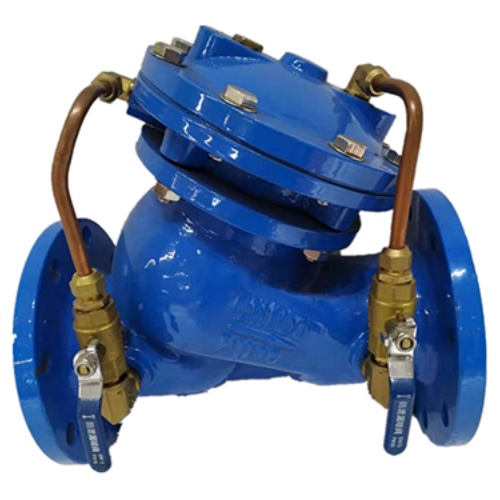
verschiedene Arten von Regelventilen und ihre Anwendungen
Verschiedene Arten von Regelventilen und deren Anwendungen Regelventile spielen eine entscheidende R
 English